Content
The Quilt Research Collections at the Archives & Special Collections of the University of Nebraska–Lincoln Libraries tell the story of how quilts have been preserved, studied, and celebrated as both art and history. What began with a single donation in 1999 is now one of the most significant archives of quilt scholarship, research, and creativity.
The first quilt collections arrived at Archives & Special Collections in 1999, coinciding with the relocation of the American Quilt Study Group (AQSG) from California to Nebraska. With that move came the AQSG’s organizational records, the papers of cofounder Sally Garout, and their rare book collection. Joan Giesecke, former dean, and Agnes Adams, former director of collection management, facilitated the transfer for the University Libraries.
That initial donation sparked broader conversations about building a comprehensive quilt research and study resource. Partnerships developed between the Nebraska State Quilt Guild and the Nebraska Quilt Project, connecting the university with regional and local quilt communities. As the International Quilt Museum (IQM) expanded, the Quilt Research Collections at Archives & Special Collections grew alongside it, collaborating to preserve both institutional and individual stories.
Many early contributors never considered saving their materials for posterity. Collaboration between Archives & Special Collections and the IQM encouraged quilters and researchers to donate newsletters, magazines, patterns, and research notes. These materials reflected the breadth of quiltmaking and its study. The Quilt Research Collections expanded to include scholars and artists who donated their papers, preserving the evolution of quilt scholarship and its early advocates.
One donation example came from the 1977 Quilt Symposium at the Sheldon Museum of Art, organized by local Lincoln, Nebraska, quilters Mary Ghormley and Pat Hackley. Along with others, they preserved event materials and helped generate oral histories with other quilters to capture its broader impact. These early connections fostered relationships with organizations and others devoted to quilt study, art, and preservation.
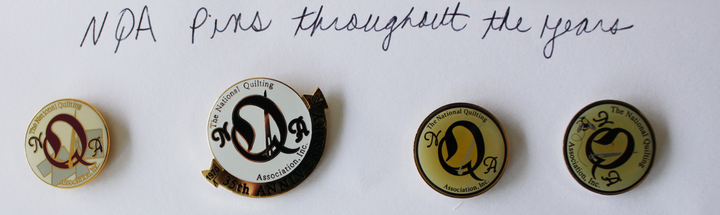
The holdings of Archives & Special Collections grew to encompass records from related organizations such as the Studio Art Quilt Associates, the Textile Society of America, and the IQM itself. The research collections now represent a wide range of quiltmakers and historians, from traditional quilters to contemporary quilt artists, and from individual creators to national organizations like the National Quilting Association. Documents and collections from other states are incorporated to illustrate the national and international aspects of quilt research.
Notable donors include collectors Ardis and Robert James, whose materials document the founding of the International Quilt Museum, and companies such as Mountain Mist and Reproduction Fabrics, whose business records trace the tools and materials behind quiltmaking. Together, these collections reflect both artistic expression and the industry that supports it.
The research collections document the recognition of quilts as an art form that covers household textiles to contemporary artistic media. Scholars explored not only design and craftsmanship but also trade, fabric production, and global textile histories. Resources from the AQSG rare book collection and from personal libraries reveal the deep research that early quilt scholars undertook, from the origins of cotton and chintz to fabric dyeing and trade routes.
Within the Quilt Research Collections, researchers can move from personal diaries, noting the making of a single quilt, to corporate records and national guild papers. Patterns, once central to creative practice, illustrate how quilters balanced structure and innovation. Over time, creativity shifted from pattern-based design to free-form experimentation, reflecting broader changes in women’s roles and self-expression.
Collections by artists like Jean Ray Laury and Michael James highlight this evolution. Laury’s reinterpretation of the traditional Sunbonnet Sue motif transformed Sue into a defiant and witty feminist reimagining of domestic imagery. Laury’s work, like many others in the collections, speaks to the changing perceptions of women and creativity through quilts.
Today, researchers can visit the Archives & Special Collections website to search collection descriptions and inventories of the Quilt Research Collections. They may also visit the reading room to view materials in person. These collections continue to grow through partnerships and the support of historians like Barbara Brackman and Merikay Waldvogel, ensuring the ongoing documentation of quilt history.
Contributed by Melissa Sinner, University Libraries